
St. Louis has long been a hub for groundbreaking ideas, from pioneering research in plant and animal science to innovations in AgTech and food systems. While the Missouri History Museum’s “I Am St. Louis” campaign celebrates our region’s people, places, and ideas, it also reminds us that St. Louis has quietly shaped some of the world’s most important agricultural breakthroughs.
Today, we’re spotlighting a few AgTech innovations and discoveries born right here in St. Louis; innovations that continue to transform how we grow food, nourish animals, and build a sustainable agricultural future.

Leading the Way in Genetically Engineered Crops
In the late 1970s and early 1980s, St. Louis scientists pioneered the creation of the world’s first transgenic plants. Mary-Dell Chilton, working at WashU, led a team that developed techniques to insert foreign genes into plants, creating crops with greater resistance to pests, diseases, and environmental stress.
How This Breakthrough Transformed Agriculture
This innovation laid the foundation for modern agricultural biotechnology, enabling higher crop yields and more resilient plants, a critical step in feeding a growing global population.
Resilient Crops: Virus-Resistant Tomatoes
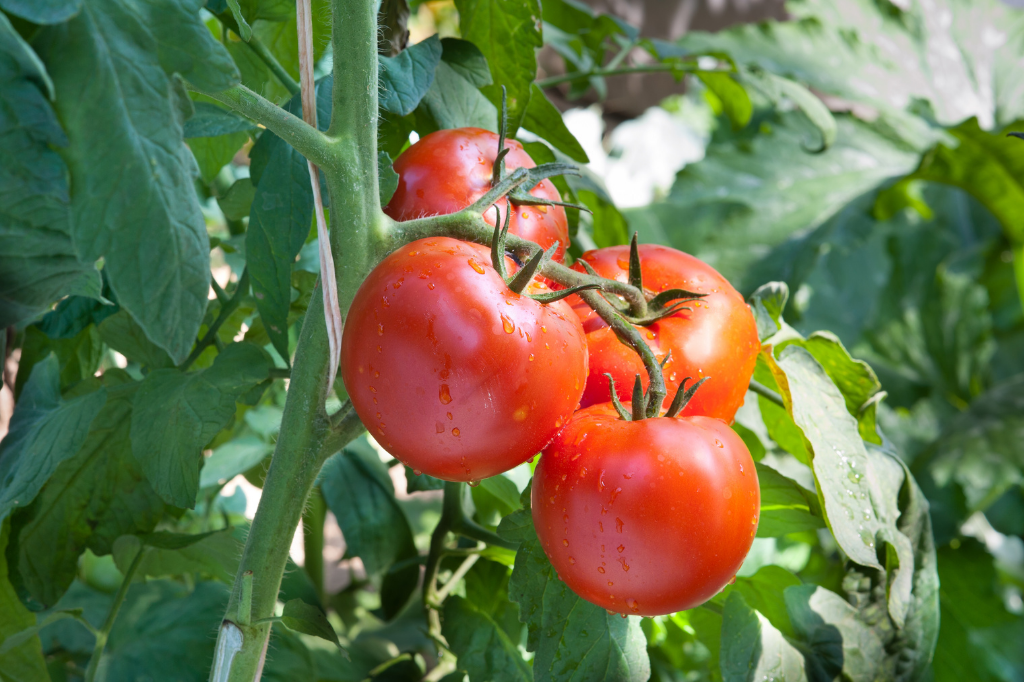
In the 1980s, a collaboration between WashU and Monsanto produced the first genetically modified food crop to resist a devastating plant virus. By creating an artificial gene from the virus and inserting it into tomato plants, researchers ensured permanent resistance, a feat traditional breeding could not achieve.
Why This Discovery Still Matters
This approach helped protect farmers’ harvests, reduced losses from disease, and accelerated the adoption of biotech solutions in agriculture worldwide.
Ralston Purina: Pioneers in Animal Nutrition
Founded in St. Louis in 1894, Ralston Purina (now Nestlé Purina) revolutionized animal nutrition. Its research led to the development of the extrusion process, creating the first dry, shelf-stable pet and livestock feeds.
How This Changed Farming and Pet Care
These advances improved animal health, made feed more accessible, and transformed both livestock farming and pet nutrition globally.
The Donald Danforth Plant Science Center
Established in 1998, the Danforth Center has become a global leader in plant science research. Scientists here are developing crops that grow faster, use water more efficiently, and withstand pests, diseases, and climate extremes.
Why It Matters Today
Their work helps secure the food supply for a growing population while advancing sustainable agriculture and environmental stewardship.
CRISPR Gene Editing in Agriculture
St. Louis researchers at WashU have contributed to cutting-edge CRISPR gene-editing technologies, enabling precise improvements in crops and livestock.
The Impact on Food and Farming
From disease-resistant plants to improved nutritional content, these innovations are helping farmers grow more food with fewer resources, while laying the groundwork for the next generation of AgTech solutions.
BioSTL and the 39 North AgTech Innovation District
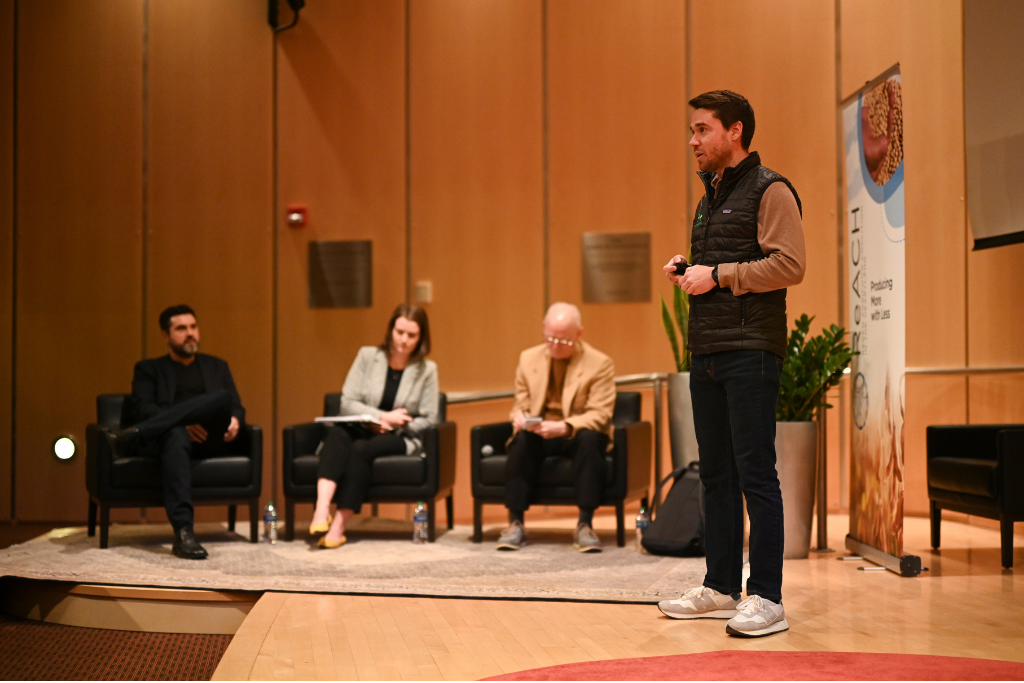
At BioSTL, we’ve been proud to support the growth of St. Louis as a hub for agricultural innovation. In partnership with local universities, the Donald Danforth Plant Science Center, investors, and entrepreneurs, we helped bring the 39 North AgTech Innovation District to life.
Our role has focused on connecting startups to mentors, field-trial resources, lab space, and networks that help them test ideas and bring them to market. By helping coordinate these resources, we’ve worked alongside the broader community to strengthen St. Louis’ agtech ecosystem.
Why This Matters
39 North is a place where innovation, collaboration, and experimentation come together. Supporting these startups is part of how we hope to ensure St. Louis continues to grow as a global leader in agricultural technology.
BioSTL: Carrying the Legacy of Ag Innovation Forward
These breakthroughs prove that St. Louis has long been a place where agricultural innovation thrives. While BioSTL wasn’t behind these historic discoveries, for nearly 25 years, we’ve been fueling the next generation of AgTech startups by supporting research, accelerating technologies, and connecting global ideas to St. Louis.
Today, companies launched and supported by BioSTL are developing sustainable farming solutions, precision agriculture tools, plant-based foods, and innovative animal nutrition products.
With the continued support of our community and donors, St. Louis will keep shaping the future of agriculture just as it has for more than a century.